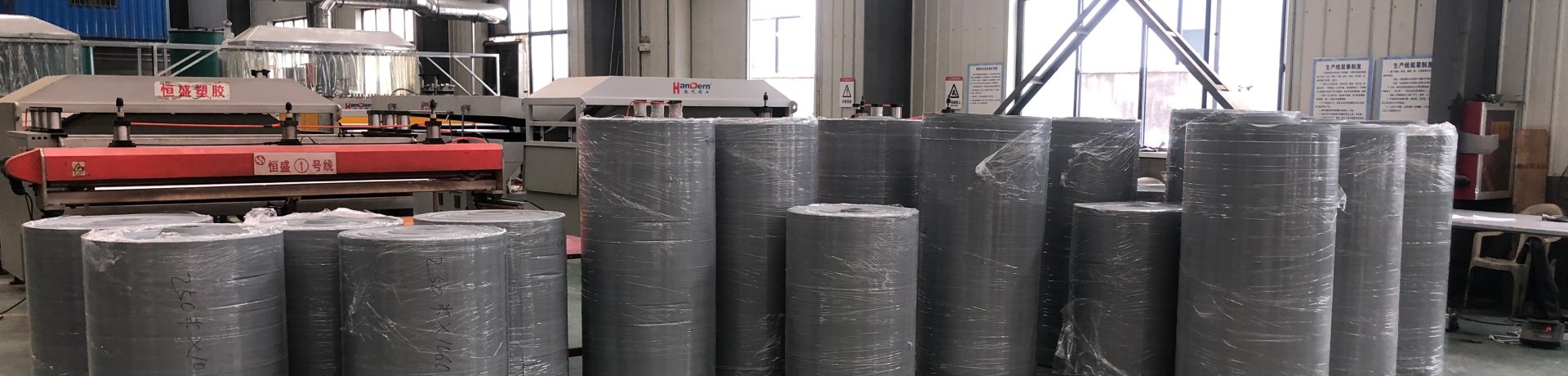
A pallet sleeve box is a three-piece container: a pallet base, a foldable corrugated plastic sleeve, and a lid. The sleeve is a panel of PP hollow board cut to height, fitted with handles, and wrapped around the base; the lid locks the top so boxes stack. Fill it, sleeve it, ship it — and at the destination the whole thing knocks down into three flat parts that fold into a fraction of the space for the return leg. This is the workhorse of closed-loop logistics: automotive parts, bottled goods, bulk components moving between two plants on a fixed shuttle.
Why the Sleeve System Wins the Return Loop
Compare the freight maths. A one-trip wooden crate or triple-wall carton is bought, used once, and broken up at the destination. A sleeve pack makes the same trip hundreds of times, and the return leg is the decisive number: sleeves and lids nest flat, so a truck that carried eight loaded boxes comes home carrying eight flat kits plus the pallets — customers running shuttle loops report 30–80% transport saving on the cycle, depending on route length and how dense the nesting is. The sleeve itself weighs a fraction of a moulded container wall, so even the loaded weight stays forklift-friendly.
The second advantage is flexibility on height. Base length and width are fixed to the pallet module — 1200 × 1000 or 1100 × 1100 to match your racking and trailer grid — but the sleeve height is simply a cut line. One base and lid set serves several load heights across a product range; when a part grows taller, the sleeve panel is re-cut, not the container re-tooled.
Choosing the Configuration for Your Loop
Sleeve panel (4–6 mm, 1200–1800 gsm). The sleeve carries the side loads, so grammage rises with stack height and box weight. It gets two or four lift handles, a card or printed label pocket for traceability, and the fluted wall takes a screen-printed logo so the loop doubles as rolling branding.
Lid and base. A flat PP lid suits light and medium loads; a honeycomb-panel lid adds stiffness for tall stacks. The base is either a honeycomb board platform or a rigid plastic pallet, with three runners for 4-way forklift entry. Base choice follows your floor: if the box must rack, feed an automatic line, or survive a wash-down, put the budget in the pallet.
Interior dunnage. For automotive and precision parts, the value is in what the parts sit on: corrugated dividers, ESD trays for electronics, or foam profiles cut to the component. We design the lining from your part drawings, and the sleeve and dunnage are replaced separately — a torn sleeve does not scrap the pallet, which is the second half of the cost story.
Load limits, honestly. The 1180 kg (2600 lbs) figure is a static load on a properly assembled box with a honeycomb base. Dynamic forklift handling, shock on the road and uneven floor joints all cut into it; stacking height of two to four boxes loaded is realistic rather than optimistic. Confirm load, stack and transport conditions with the quotation and we size the panels to those numbers.
Dunnage choices follow the fragility ladder. Rigid parts with flat contact faces — castings, extrusions — need only corrugated dividers to stop part-on-part contact. Finished surfaces (painted, machined, plated) need an intermediate layer: corrugated plastic trays with cut-outs, or foam profiles for high-value finishes. Electronics add the ESD layer, and the tray spec is written into the quotation rather than improvised at packing. In all cases the dunnage is designed so one operator can load a box in under two minutes; a lining that protects parts but slows the line is rejected on the trial set, which is exactly what the trial is for.
How We Produce and Check Each Set
Sleeve panels are die-cut and creased on our own board lines; the handle holes, label pocket and fold lines are cut in one pass so the sleeve folds square. Lids and honeycomb bases are bonded and pressed flat, then the assembled set is load-checked: the box is filled to rated weight, stacked to the agreed height, and the welds and panel joints inspected before packing. For a new size we send one trial set first — the fold action, handle position and lid lock are things your operators will judge in a minute, and it is cheaper to adjust on a sample than on 50 sets.
When you enquire, send the pallet module you run, the part size and weight, the stack height on the trailer, and whether the loop returns empty or carries back-trip goods. Those four answers size the whole system.
The Cost Case, Run Like a Fleet
Buy the sleeve system the way you would run a fleet of returnable crates — with cycles, losses and replacements counted, not just the invoice. A worked example for a two-plant shuttle at 60 boxes per trip: a one-trip wooden crate is bought every cycle, so the packaging cost repeats forever; a sleeve set costs more on day one, then the per-trip cost falls by the number of reuses. At 40 cycles a set, even a conservative loss-and-repair allowance of 10% a year leaves the per-trip cost well under the crate route — before counting the 30–80% return-leg freight saving and the labour saved by folding flat kits instead of building crates.
Three habits protect the numbers. First, assign the sets: a set without an owner travels one way and disappears; label pockets and printed serial numbers exist so the loop can be audited. Second, repair at the sleeve level: a scuffed or torn panel is a part, and it is replaced in minutes — the pallet and lid stay in service. Third, store sleeves nested and dry: PP board shrugs off water, but a sleeve left flat under a pallet truck is the most common way a good set becomes scrap.
Be clear about what the system is not. It is not for one-way exports where there is no return leg — there, a die-cut pallet box carton is the better tool. It is not a substitute for the pallet itself where the load is rack-heavy; put the engineering budget in the base and let the sleeve wrap it. Where the loop is closed, though — two plants, a supplier feeding a line, a distribution centre running milk-runs — it is the cheapest container per trip you can buy.
About the Manufacturer
Qingdao Hengsheng Plastic Co., Ltd. has extruded PP hollow board and honeycomb panels in Qingdao since 2012. Four lines give a capacity of 20,000 tons a year, and sleeve systems are die-cut, welded and assembled in the same plant. We ship to more than 120 countries, with sleeve packs running mainly in automotive and industrial shuttle loops in Europe, North America and East Asia.
Written by the Hengsheng technical sales team, Qingdao · Last updated: November 2026